


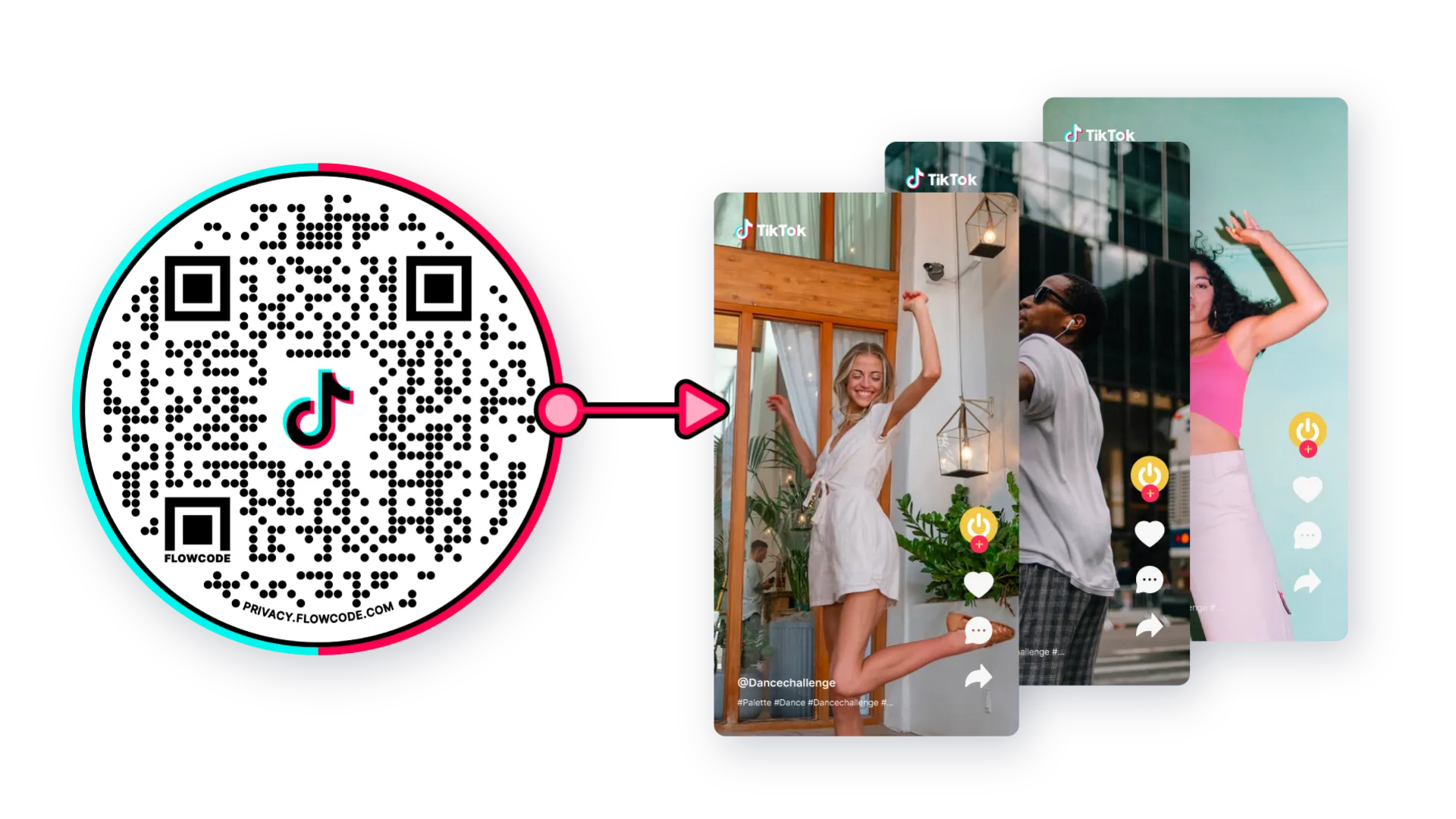
People often jump between tools so quickly that small shortcuts make a noticeable difference. This is why linking a profile or campaign through a QR code TikTok has become surprisingly common among developers, product teams, and digital creators. A compact code on a screen or whiteboard saves them from typing URLs while testing features, showing prototypes, or moving between devices.
What feels like a playful idea from the outside actually fits naturally into workflow habits inside IT teams. Shortcuts matter, and QR codes are exactly that: shortcuts disguised as tiny abstract squares.
How QR Codes Sneak Into Technical Routines
It starts small, someone prints a QR code on a testing device to jump directly into a TikTok landing page used for user-behavior experiments. Another teammate includes one in a feature demo so stakeholders can open the sample video immediately. Before long, QR codes became as expected as links in Slack.
Teams that use a QR code generator appreciate that codes behave consistently across platforms. They load quickly, and they don’t need formatting tweaks the way hyperlinks sometimes do. Dynamic options matter here, too. Some teams choose ME-QR because it lets them update a code’s destination without replacing the QR itself, which helps when a TikTok campaign shifts direction halfway through testing.
The platform also offers built-in insights that show when and where scans happen, giving developers a simple way to track how testers interact with QR-based entry points.
Its interface is available in many languages, which makes day-to-day work smoother for distributed teams running experiments across regions.
ME-QR is an international platform for generating, managing, and analyzing QR codes, and the scale of usage, millions of created and scanned codes, shows how deeply such tools have settled into everyday technical routines.
For many in IT, QR codes take up almost no mental space, but they remove unexpected friction from repeated tasks.
When TikTok Meets Technical Experimentation
Before jumping into the list, it helps to understand why TikTok appears in technical workflows at all. The platform is used not only for marketing but also for UI research, audio-visual testing, and behavioral studies. A free QR code generator allows fast access to specific videos, prototypes, and campaign pages during these sessions, which keeps discussions from stalling.
- Sending testers directly to variations of the same TikTok video to compare engagement-related behaviors using a QR generator free workflow.
- Adding a scannable link to physical testing boards, so different teams can create QR code access points for new campaign ideas.
- Using a QR code maker to attach content samples to internal documentation for cross-team reviews.
- Connecting multiple TikTok prototype pages created for A/B experiments using a QR code generator free online so participants stay focused on the right version.
- Generating quick access points during meetings to open time-sensitive content without swapping devices.
- Creating internal demo sheets with a QR code free link that opens a TikTok video illustrating motion or sound effects relevant to the product.
- Using a QR code creator for onboarding tasks, giving new employees instant access to internal TikTok-style micro-tutorials.
After working this way for a while, teams often realize how much smoother communication becomes. Scanning takes seconds, and no one wastes time digging for files or guessing which version of a link they should open.
The pairing may look unconventional, but once people start using a QR code maker free option for short-form content, it quickly becomes second nature.
Final Words
QR codes blend into IT workflows so well that most people forget they’re using them. A tiny square does the job of a full link, bridging devices, teams, and platforms without slowing anything down. That’s why ME-QR often appears in discussions around technical content sharing, it offers a simple control panel and dynamic code options that adapt as campaigns or prototypes evolve. Its tools stay practical rather than flashy, which is exactly what most teams want. Make your own QR code now.
Another reason QR technology keeps gaining traction is its compatibility with rapid iteration cycles. Developers can update assets, move documentation, or switch deployment environments without redistributing new links — the QR remains the same while the destination changes in the background. This flexibility streamlines internal processes and keeps teams focused on building rather than micromanaging access points.