


It happens to most people at some point in their lives. The Wi-Fi goes dead, the electricity goes wavy, or another bill is in your mailbox and you find yourself asking yourself: what would happen if I just took a break out of all this
Off-grid living reaches that instinct. It is an assurance of freedom, of being a simple person, and living a bit nearer to the basics. Nonetheless, it is not only a romantic vision of cabins and candlelight, but an entire change of the way you live, think, and organize your daily schedule.
Power: The First Reality Check
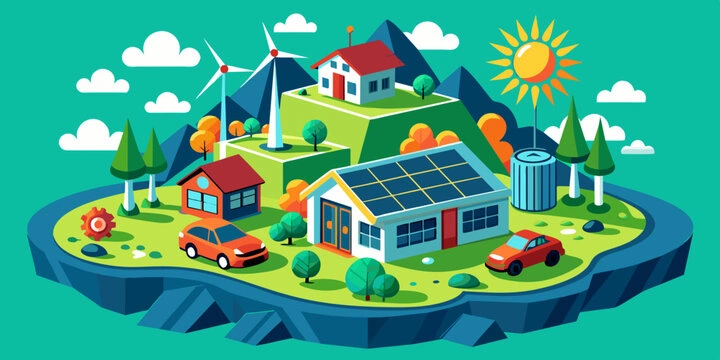
Electricity is the largest rearrangement. When you are living off-grid, there is no background system quietly operating in the background to power your life. All the lights you turn on, all the appliances you operate are the products of your own handiwork.
- Majority of off-grid households are powered by solar panels or wind with or without battery storage. We all know it sounds easy, on paper, but when it comes to application, it needs constant vigilance. It only takes a couple of cloudy days to alter your energy consumption. The challenges in winter are not the same as in summer. The things we do regularly are suddenly turned into decisions.
- That’s why many setups include a reliable backup, such as Generac generators at buildthepower.com. Not because off-grid living is fragile, but because it’s practical. Independence doesn’t mean taking unnecessary risks; it means planning for when things don’t go perfectly.
Water: Something You Stop Taking for Granted
It is simple to lose the memory of how effortless water is in the normal life. You switch on a tap and it should work. Off-grid living eliminates that supposition.
Instead, water becomes something you actively source and manage. Rainwater collection is common, as are private wells or natural water sources, all supported by filtration systems. It’s not complicated, but it does require attention.
Heat and Cooking
Comfort in an off-grid home depends heavily on preparation. Heating is rarely as simple as adjusting a thermostat. Instead, it might involve wood burners, stored fuel, or carefully managed renewable systems. This introduces a seasonal rhythm to life. You plan ahead. You think about winter long before it arrives. You understand your home in a way that most people never need to.
- Cooking follows a similar pattern. Energy use becomes something you consider rather than ignore. You begin to notice how different appliances impact your system, and over time, you adapt.
- What might sound inconvenient at first often becomes satisfying. There’s a certain reassurance in knowing that your home runs because of your decisions, not because of something happening miles away.
Food: A Shift Toward Self-Reliance
Food is another area where off-grid living reshapes habits. While not everyone grows everything they eat, many people move toward some level of self-sufficiency. Gardening, food storage, and preservation become valuable skills. Meals feel different when they’re built from something you’ve grown or carefully sourced.
There’s also a deeper appreciation for what goes into your food. It’s no longer just a quick purchase; it becomes part of a larger system that you’re actively involved in.
The Home Itself
An off-grid home isn’t just a place to live; it’s a carefully considered environment. Everything from insulation to window placement plays a role. Natural light, heat retention, and energy efficiency are all part of the design. A well-planned home reduces the strain on your systems and makes daily life significantly easier.
This is where off-grid living becomes less about sacrifice and more about smart design. When everything works together, the experience feels less like a compromise and more like an upgrade.
The Real Difference
The biggest shift is not physical; it’s mental. Off-grid living replaces convenience with intention. You become more involved in your daily life, more aware of your resources, and more responsible for your environment.
For some people, this is incredibly freeing. It removes reliance on systems they don’t control and replaces it with something tangible and predictable. For others, it can feel like a constant level of responsibility that never fully switches off. And that’s the key distinction. Off-grid living isn’t about escaping effort; it’s about choosing a different kind of effort.