



As construction and engineering industries embrace modern technology, the science behind heavy-duty fixings has evolved dramatically. Smart materials, precision engineering, and data-driven installation methods are transforming how professionals approach structural fastening. Here is everything you need to know about fixings in today’s tech-forward construction landscape.
How Modern Engineering Has Redefined Heavy-Duty Fixings
Traditional fixings were selected largely by experience and guesswork. Today, advanced material science and computational engineering have completely changed the game. Modern heavy-duty fixings are designed using finite element analysis, stress simulation software, and nano-engineered coatings that deliver performance levels previously unimaginable in conventional construction.
Smart Load Calculation Using Digital Tools
Gone are the days of manual load estimations. Engineers now use AI-powered structural analysis software to calculate both static and dynamic load requirements with exceptional precision. These digital platforms model real-world stress scenarios, vibration frequencies, and environmental variables, allowing professionals to select fixings that are perfectly matched to the demands of the structure before a single bolt is tightened.
Advanced Material Technology in Modern Fixings
The materials used in today’s heavy-duty fixings reflect breakthroughs in metallurgy and surface engineering. Current innovations include:
- High-Tensile Carbon Steel Alloys — Engineered at the molecular level for maximum load-bearing capacity
- Duplex Stainless Steel — Combining superior corrosion resistance with twice the strength of standard stainless grades
- Titanium-Coated Fasteners — Offering extreme durability with significantly reduced weight for aerospace and high-tech builds
- Zinc-Nickel Electroplated Fixings — Providing next-generation corrosion protection for industrial and coastal environments
Precision Substrate Compatibility in High Tech Construction
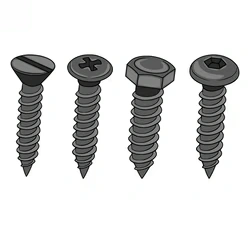
Modern construction increasingly relies on composite panels, smart cladding systems, and high-performance board materials. Each substrate demands fixings engineered specifically for its unique density and structural properties. For instance, when working with advanced panel systems and moisture-resistant surfaces, using precision-rated screws for cement boards ensures a technically sound and durable connection that meets the demands of contemporary building standards.
Robotics and Precision Installation Technology
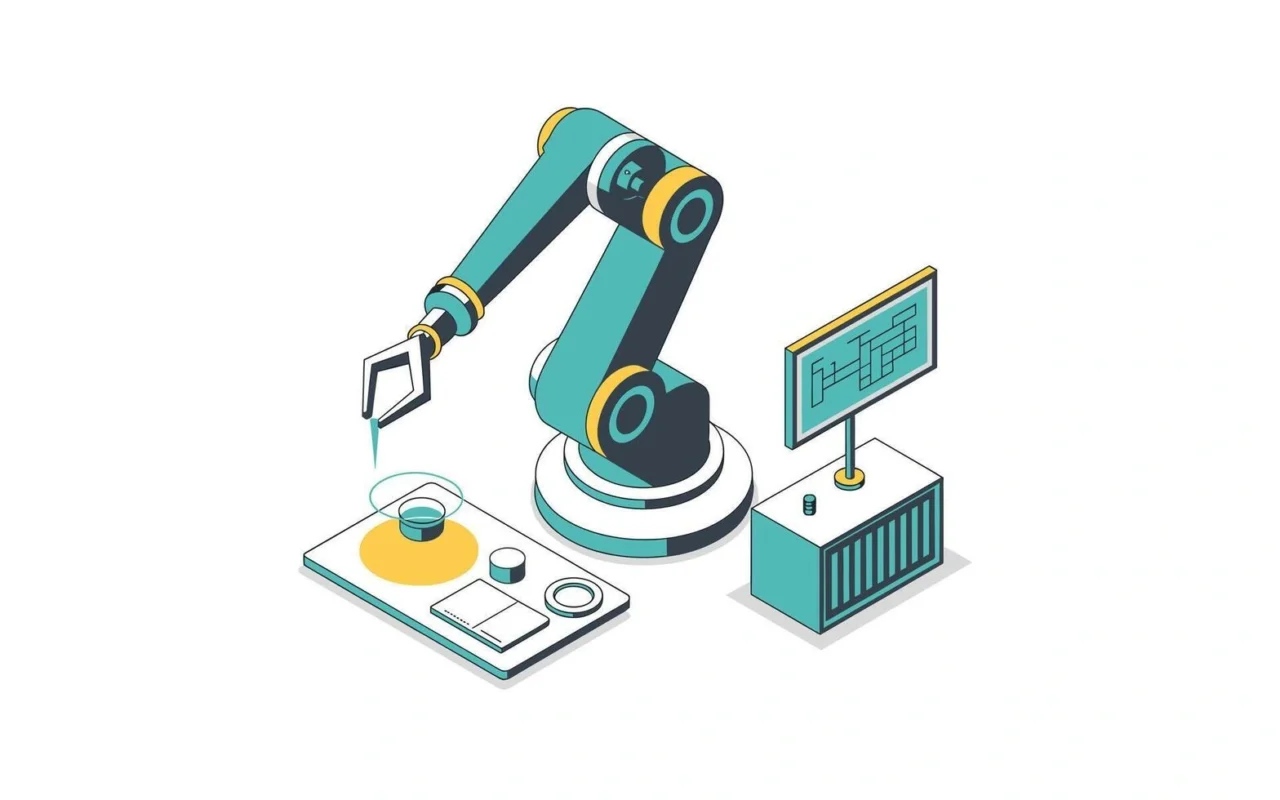
Installation accuracy has reached new heights thanks to robotic fastening systems, torque-controlled smart drills, and IoT-connected tools. These technologies ensure:
- Automated torque calibration — Eliminating both over-tightening and under-tightening errors in real time
- Laser-guided alignment systems — Guaranteeing precise positioning across complex structural frameworks
- Smart sensor feedback tools — Detecting substrate resistance and adjusting drilling depth automatically
- Digital installation logging — Recording every fastening point for quality assurance and compliance documentation
Nanotechnology and Next Generation Corrosion Protection
Environmental degradation remains one of the biggest threats to structural fixings. Modern solutions now incorporate nanotechnology-based protective coatings that create microscopic barriers against moisture, UV radiation, chemical exposure, and extreme temperature cycling. These coatings are applied at the atomic level, offering protection far superior to traditional galvanizing or painting methods, and significantly extending the maintenance-free lifespan of heavy-duty structures.
Digital Compliance and Smart Safety Monitoring
Modern construction projects are increasingly integrating Building Information Modelling, known as BIM, and IoT sensor networks to monitor structural health in real time. Smart fixings embedded with micro-sensors can now transmit live data on load stress, micro-movement, and early signs of fatigue directly to monitoring dashboards. This technology ensures:

- Continuous regulatory compliance tracking
- Predictive maintenance alerts before failures occur
- Full digital audit trails for safety inspections
- Instant identification of compromised fixings across large-scale structures
The Future of Heavy-Duty Fixings
The next frontier includes self-healing fastener coatings, 3D-printed custom fixings for complex geometries, and AI-driven quality control systems that assess fixing integrity during installation. As construction technology continues to accelerate, staying updated with the latest innovations in fixings is no longer optional it is a competitive and safety-critical necessity.
Final Takeaway
Modern heavy-duty fixings sit at the intersection of advanced material science, digital engineering, and smart installation technology. By embracing these innovations and combining them with precise substrate matching, environmental protection, and real-time safety monitoring, today’s builders and engineers can deliver structures that are stronger, smarter, and more reliable than ever before.