


If you watch movies or stream shows often, you have probably heard this debate more and more. Is AI video going to kill Hollywood? Or is AI video actually going to save Hollywood?
The honest answer is that it is not simple. Technology rarely destroys industries overnight. Instead, it slowly changes how industries work. That is what is happening right now in filmmaking.
What I see is a massive shift in how films are produced, not just how they look on screen.
AI video technology is improving extremely fast. Modern AI systems can now generate scenes, design characters, and help with editing and post-production tasks. These tools are no longer experimental science projects. They are becoming real production tools used by creators and studios.
Let me explain what is really happening behind the scenes.
What AI Video Technology Can Already Do
AI video tools have improved dramatically in the past few years. They are no longer just novelty tools for testing ideas. Today, AI can help with real production workflows.
I usually group AI video capabilities into three major areas because that makes it easier to understand how they are used in real production environments.
AI Scene Generation
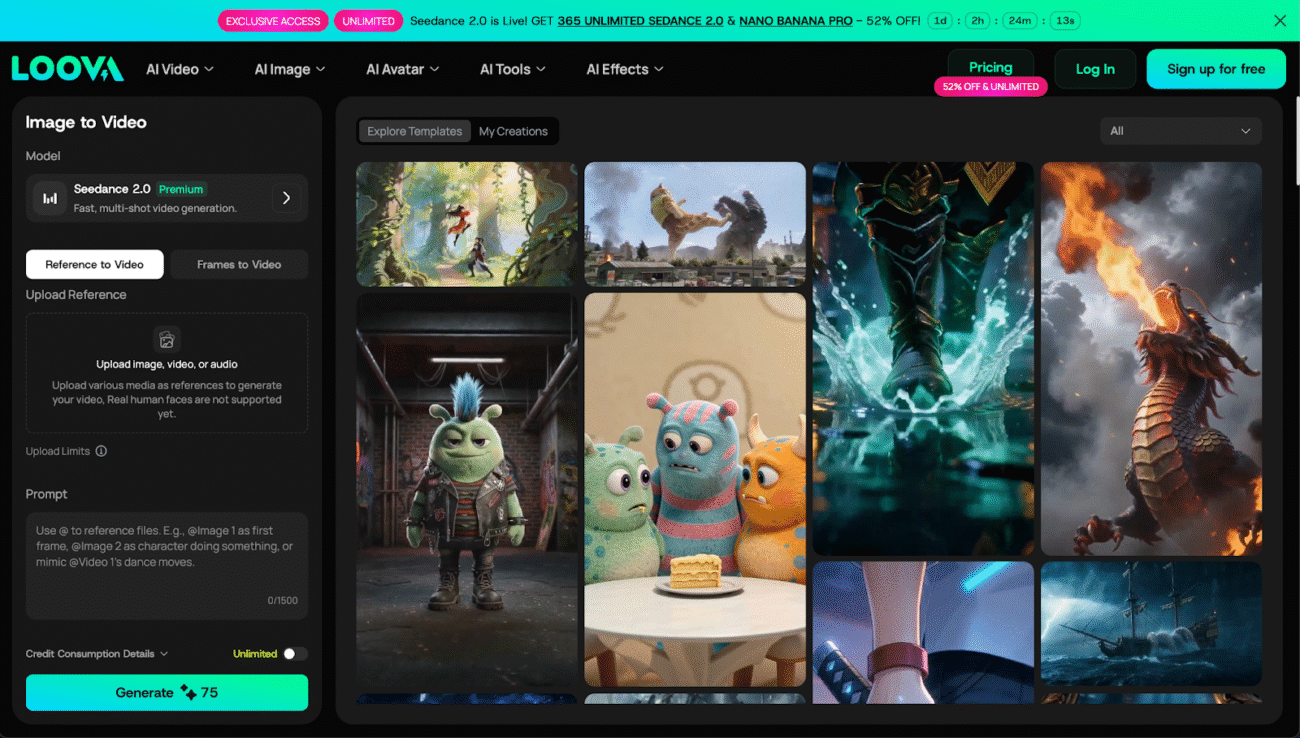
Tools like Loova AI allow me to describe a scene using simple language. Then the AI generates visual content based on that description.
This is useful for:
- Storyboarding film ideas
- Testing visual concepts before filming
- Creating marketing content drafts
For example, a creator can type something like:
A city street at sunset with people walking and neon lights reflecting on wet roads.
The AI will generate visual interpretations of that scene.
This saves time during the early creative stage. Directors can test multiple visual styles before committing to expensive production work.
AI Video Editing Assistance
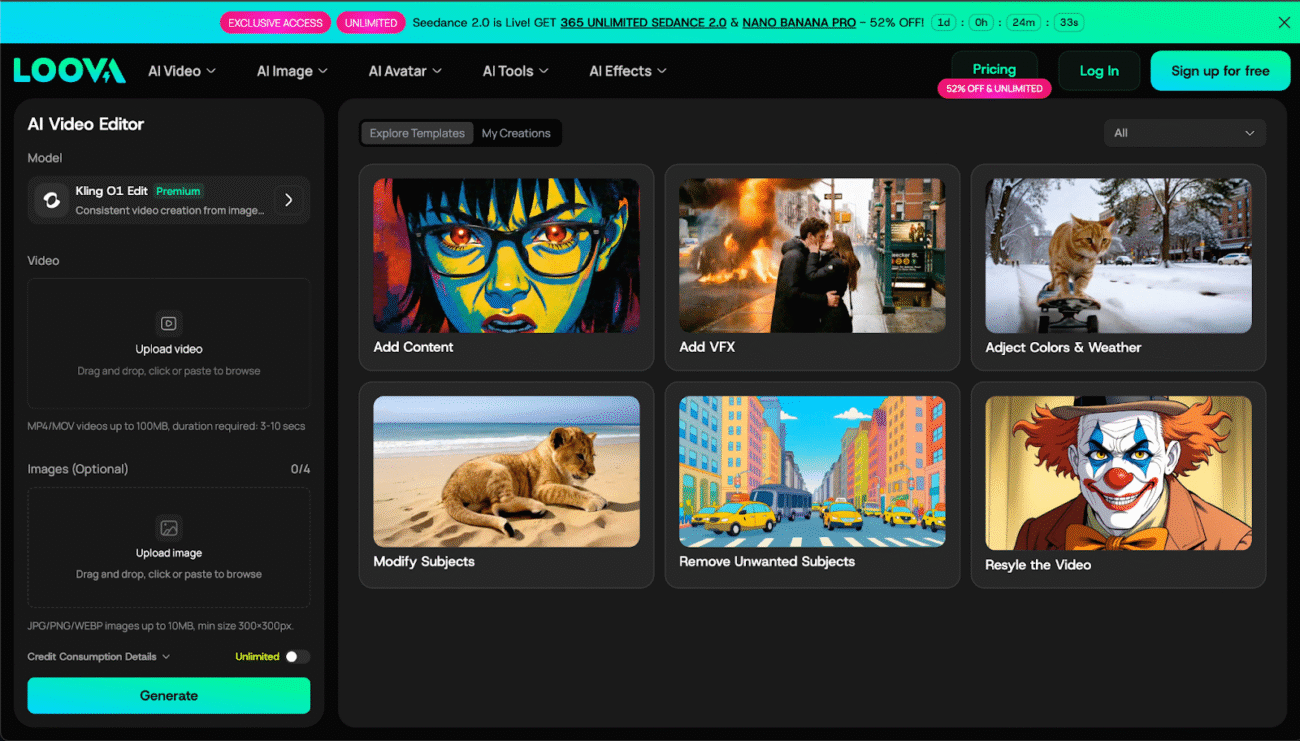
For example, AI can help with tasks such as:
- Removing unwanted objects from scenes
- Extending video shots automatically
- Adjusting lighting and color grading
- Stabilizing footage
These tasks used to require professional editors spending hours or even days on post-production work.
Now AI video editor help complete first drafts of edits quickly. Human editors still refine the final output, but the workload becomes much lighter.
This is especially helpful for small teams and independent creators.
AI Voice and Dialogue Generation
Third, AI can generate voice narration and dialogue audio.
AI voice technology can:
- Generate narration tracks
- Sync voice with characters
- Create multilingual dialogue versions
These tools are still improving, but they already help small production teams create content faster.
Voice generation is especially useful for:
- Educational videos
- Marketing content
- Story-driven social media content
Why Hollywood Is Worried About AI Video
Hollywood is absolutely watching AI technology carefully. They are not ignoring it.
There are three major industry concerns.
Job Displacement Concerns
Some production roles may change over time.
Jobs most affected are usually repetitive production tasks.
Examples include:
- Background environment generation
- Basic visual effects work
- Junior-level editing tasks
This does not mean jobs disappear immediately.
But the skills required for those jobs will likely change.
Workers may need to learn how to work with AI tools rather than compete against them.
Copyright and Ownership Problems
AI models are trained using large datasets.
This creates legal questions about intellectual property.
Some artists worry about:
- Whether AI uses their artwork without permission
- Whether AI copies artistic styles
These legal debates are still developing.
Governments and studios are trying to create new rules for AI-generated media ownership.
Cost Competition From Smaller Studios
In the past, large studios dominated because they had huge production budgets.
AI is reducing that advantage.
Now smaller studios can:
- Produce visual content faster
- Test ideas without expensive shoots
- Compete in digital streaming markets
This increases competition in entertainment markets.
How AI Video Could Actually Help Hollywood
I do not think AI only creates risks.
It also creates real opportunities for the film industry.
Faster Visual Effects Production
Visual effects are one of the most expensive parts of modern filmmaking.
AI can help generate:
- Background environments
- Motion effects
- Scene extensions
This reduces production time and allows studios to release films faster.
That matters in streaming competition where speed is important.
Idea Testing Before Expensive Production
AI helps filmmakers test ideas before spending large budgets.
Instead of immediately filming expensive scenes, creators can:
- Generate concept visuals
- Test lighting styles
- Experiment with camera angles
This reduces creative risk and production waste.
Helping Independent Filmmakers Enter the Industry
Independent creators benefit the most from AI video technology.
They can now produce professional-looking content with smaller budgets.
This helps increase storytelling diversity.
More creators can enter the entertainment industry without large financial barriers.
That is a major cultural shift.
The Future of Movie Production Workflows
I believe future filmmaking will be hybrid production.
Human creativity will still matter.
AI will help production efficiency.
Future workflows may look like this:
- Idea creation
- AI concept generation
- Human creative refinement
- AI production assistance
- Human final editing
New Jobs Created by AI Video Technology
AI does not only remove jobs. It also creates new ones.
Some new creative career roles include:
- Prompt engineering specialists
- AI content quality supervisors
- Digital asset managers
- AI storytelling designers
These roles did not exist before AI video technology.
Streaming Platforms and AI Content Production
Streaming companies want more content.
AI helps them produce content faster and cheaper.
They can:
- Generate promotional trailers
- Personalize marketing videos
- Test different audience versions
This helps platforms compete globally.
Content personalization is becoming a major industry trend.
Who Benefits Most From AI Video Technology?
Some groups benefit more than others.
- Content creators benefit because they can produce more videos.
- Marketing teams benefit because they can test more ads.
- Independent filmmakers benefit because production costs drop.
- Game studios benefit because cinematic game content can be generated faster.
Who Might Feel Pressure From AI Video?
Some traditional production roles may feel pressure.
Especially jobs focused on repetitive manual tasks such as:
- Basic animation work
- Entry-level editing
- Routine VFX processing
But high-level creative storytelling will still require human talent.
Stories still need emotional intelligence.
AI cannot fully replace that yet.
How Hollywood Is Adapting
Many studios are already investing in AI research.
They are:
- Building internal AI production tools
- Partnering with AI technology companies
- Testing AI-assisted film workflows
Hollywood is not ignoring AI.
They are adapting slowly to avoid disruption.
AI Video Is Becoming Creative Infrastructure
The biggest shift is not just about movies.
AI video is becoming part of creative infrastructure.
Just like:
- Cameras changed filmmaking
- Digital editing changed post-production
- Streaming changed distribution
AI will change how creativity is produced.
Not destroy creativity.
Final Thoughts
I do not think AI is killing Hollywood.
I think AI is forcing Hollywood to evolve faster.
Film production is becoming:
- Faster
- More efficient
- More accessible
The future is probably not human vs AI. The future is human creativity working with AI technology. If you want to explore AI video creation tools, you can try Loova and start creating your first video.
Frequently Asked Questions
Is AI video going to replace Hollywood?
Not completely. AI will change production workflows more than storytelling itself.
Will AI replace actors?
Not fully. But digital performance technology will grow.
Can AI write movie scripts?
AI can help generate ideas. Human storytelling is still essential.
Is AI video production cheaper?
Yes. AI can significantly reduce production and editing costs.
Which film jobs are most affected by AI?
Repetitive production tasks are most likely to change.
Is AI video legal for commercial use?
It depends on platform licensing, copyright rules, and local laws.