


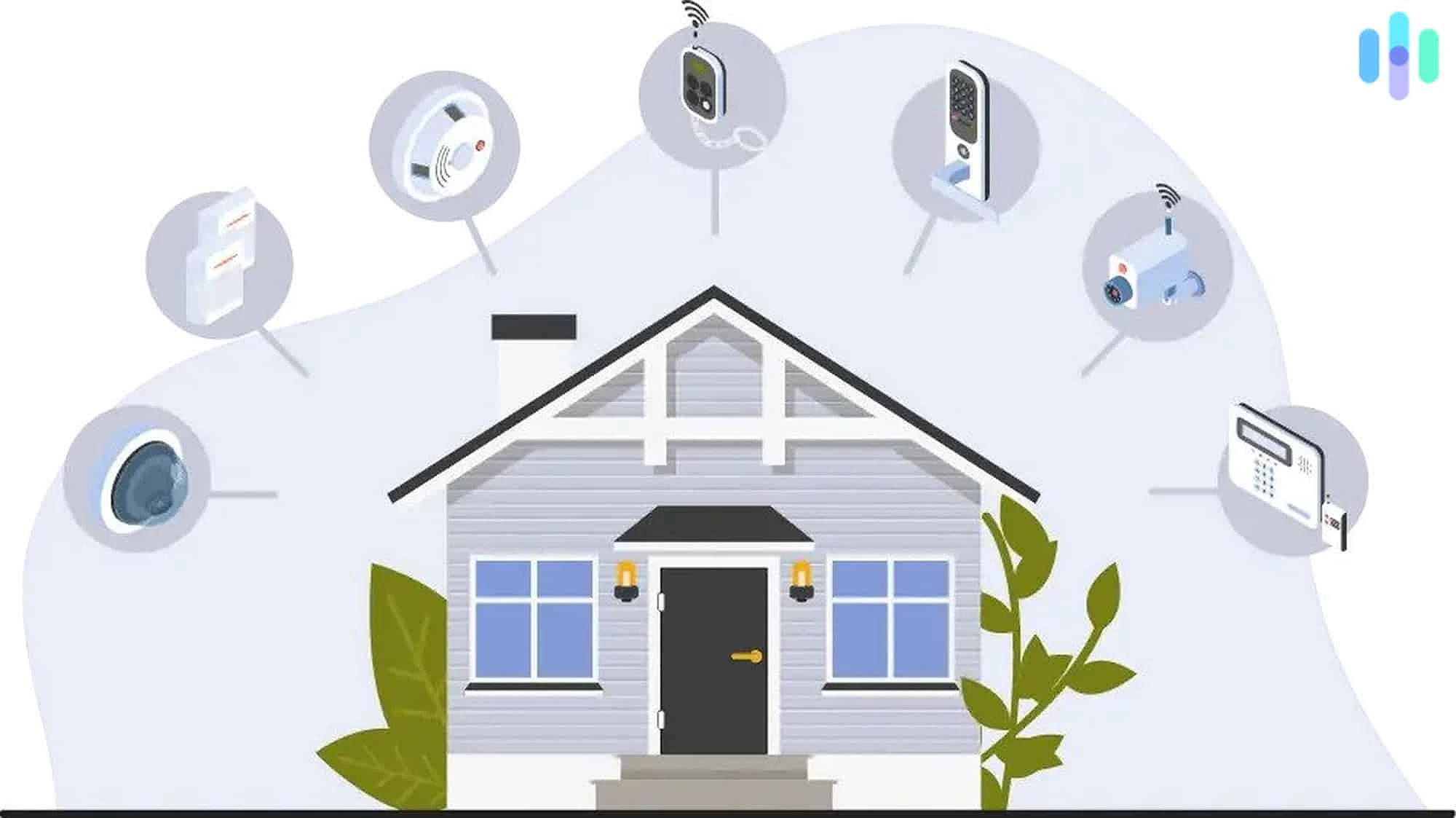
Living in a rural area often means having more space and fewer neighbours, but it also means relying more heavily on the technology installed around your property. Internet-connected cameras, smart alarms, water monitors, backup power equipment, and other connected systems can make a remote home easier to manage.
1. Your Water Supply
Many rural homes rely on private wells, boreholes, pumps, or storage tanks rather than a mains water connection. That makes your water supply one of the most important systems to monitor.
Pay attention to changes in water pressure, unusual tastes or smells, and any signs of discoloration. Pumps and filtration equipment may also need regular servicing. If your water supply suddenly changes, it is much easier to deal with the issue before the system stops working completely.
2. Your Sewage Treatment System
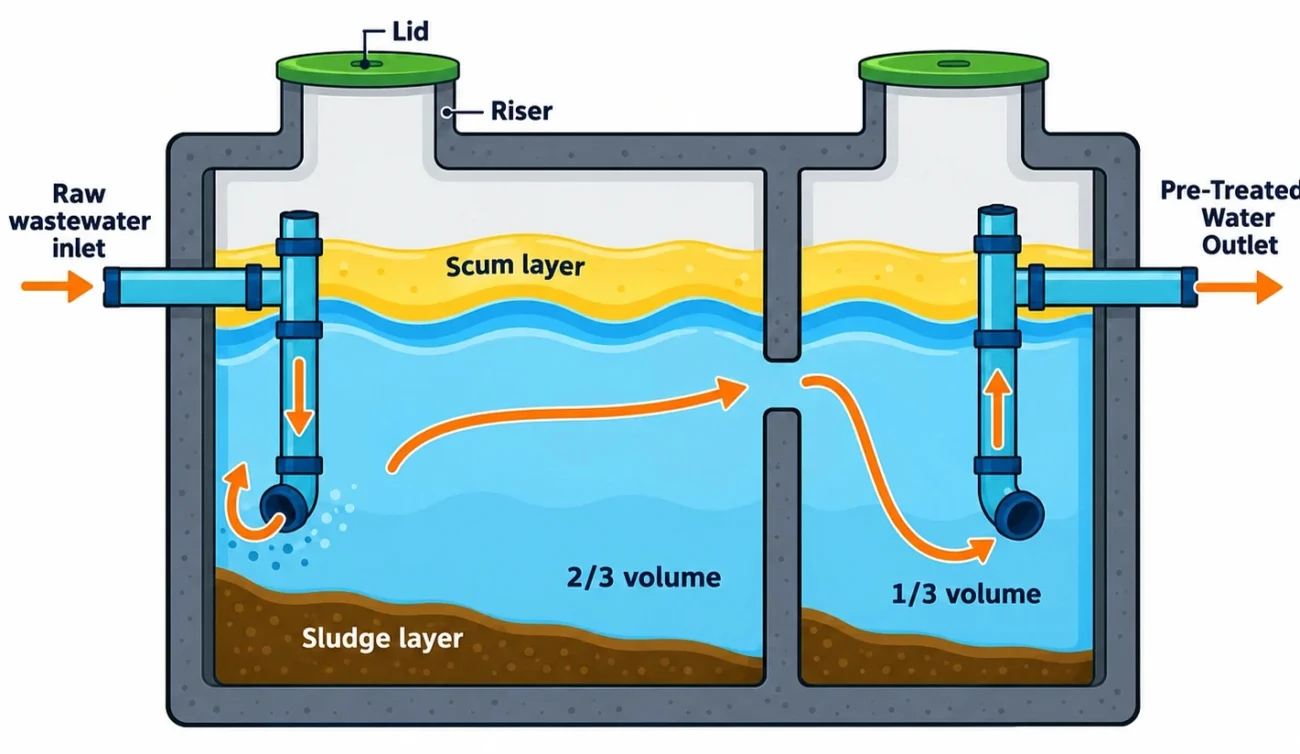
If your property is not connected to a public sewer, you may depend on a septic tank or sewage treatment plant to manage wastewater.
These systems need routine maintenance to continue operating properly. Watch for slow drains, unpleasant smells, unusually wet ground around the system, or sewage backing up into the property.
If an older unit is becoming unreliable, it may be worth looking at replacement options. Depending on your property and local requirements, you may even be able to buy a system online and then arrange for suitable installation and ongoing maintenance.
3. Your Heating System
Rural properties are more likely to use heating oil, LPG, solid fuel, heat pumps, or other alternatives to mains gas.
Whatever system you use, make sure it is serviced regularly and keep an eye on fuel levels during colder months. Running out of heating oil in the middle of winter can quickly become more than just an inconvenience.
It is also worth checking boilers, radiators, thermostats, and pipes for signs of leaks or reduced performance.
4. Your Electrical Supply
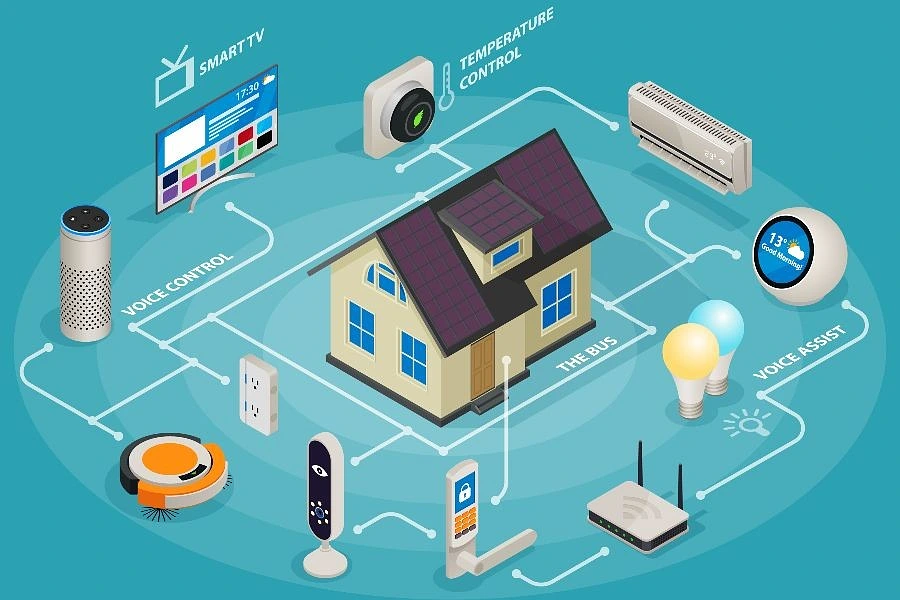
Power cuts can sometimes be more disruptive in remote areas, especially if your electricity also powers water pumps, heating equipment, gates, or other essential systems.
Keep your electrical installation in good condition and consider whether backup power would be useful for your property. A generator or battery system can provide extra reassurance, particularly if outages are common where you live.
5. Your Drainage and Guttering
Rural properties can be especially exposed to heavy rainfall, mud, leaves, and other debris, all of which can put extra pressure on drainage systems.
Check gutters, downpipes, drains, and ditches regularly, particularly before periods of bad weather. Water that cannot drain away properly may cause flooding, damp, erosion, or damage to foundations.
Stay Ahead of Problems
Rural living often means being a little more self-sufficient when it comes to your home. By checking your water, wastewater, heating, electrical, and drainage systems regularly, you can catch small problems before they become much bigger ones.
A little preventative maintenance can go a long way toward keeping your rural home comfortable, reliable, and ready for whatever the seasons bring.