



Shipping containers operate in harsh global environments and face mechanical stress, weather exposure, and repeated handling. They endure salt air, heavy stacking loads, and temperature changes across transport systems. Material choice directly affects durability, safety, and cargo protection.
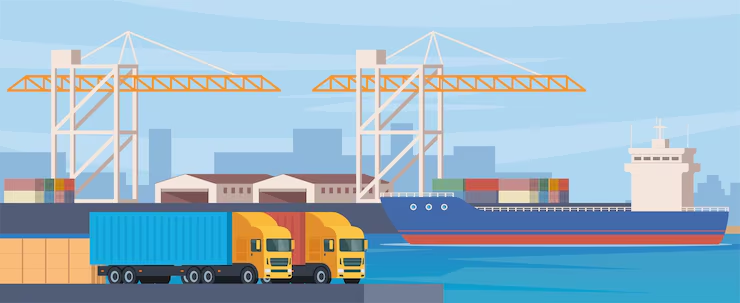
COR-TEN steel has become the industry standard because it delivers reliable performance under these conditions. Its chemical composition improves resistance to corrosion and fatigue over time. Many buyers in the USA explore 40ft high cube containers for sale based on these material advantages.
Structural Strength and Load Performance
Shipping containers must withstand extreme mechanical demands during loading, transport, and storage. They are lifted repeatedly, stacked several units high, and exposed to dynamic forces during transit. COR-TEN steel is designed to maintain structural reliability under these conditions without compromising safety or dimensional accuracy.
High Tensile Strength
COR-TEN steel provides higher tensile strength than conventional carbon steel used in general construction. This allows container panels to remain relatively thin while still supporting heavy cargo loads. The material resists bending and deformation even when containers are fully loaded or stacked.
High tensile strength also improves stacking performance in ports and terminals. Containers can safely support the weight of multiple units above them without structural failure. This capability is essential for efficient space use in global shipping operations.
Resistance to Fatigue Stress
Containers experience repeated stress from lifting equipment, vibration, and movement during transport. Over time, these forces can cause fatigue-related cracking in weaker materials. COR-TEN steel resists fatigue stress, which slows crack development and extends usable service life.
Fatigue resistance also improves handling safety. Lifting points, corner castings, and structural joints maintain integrity despite repeated mechanical loads. This consistency reduces the risk of damage during day-to-day operations.
Dimensional Stability
Temperature fluctuations can cause metals to expand and contract, leading to warping or misalignment. COR-TEN steel maintains dimensional stability across a wide temperature range. Doors, seals, and locking mechanisms continue to function correctly in varied climates.
Stable dimensions support standardized manufacturing and transport systems. Containers retain precise tolerances, allowing seamless integration with ships, railcars, and trucks worldwide.
Key structural advantages include:
- High load-bearing capacity with reduced material thickness
- Reliable stacking strength under port and terminal conditions
- Resistance to deformation during lifting and transport
- Long-term durability under continuous mechanical stress.
Corrosion Resistance and Weather Protection
Maritime transport exposes containers to moisture, salt, and oxygen for extended periods. Conventional steel relies heavily on protective coatings that degrade over time. COR-TEN steel addresses corrosion through its material composition rather than surface treatments alone.
Protective Oxide Layer Formation
When exposed to air and moisture, COR-TEN steel forms a dense oxide layer on its surface.
This layer adheres tightly to the steel and slows further corrosion. Unlike ordinary rust, it does not flake or expose fresh metal beneath.
If the surface is scratched, the oxide layer re-forms naturally.
This self-protecting behavior allows containers to retain corrosion resistance even after minor damage during handling or transport.
Performance in Marine Environments
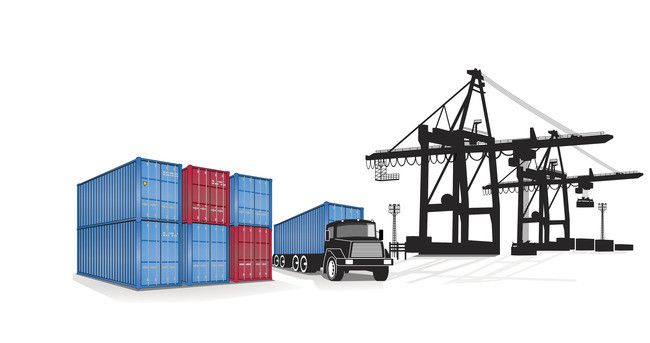
Salt-rich marine air accelerates corrosion in standard steel structures. COR-TEN steel performs more reliably in these environments by limiting corrosion penetration. The protective patina reduces the rate at which salt affects the underlying metal.
This makes COR-TEN steel well suited for long sea voyages and repeated exposure to coastal conditions. Containers maintain strength and usability despite constant maritime exposure.
Reduced Maintenance Requirements
Because corrosion progresses more slowly, containers require less frequent maintenance. Repainting, repairs, and surface treatments are needed less often than with conventional steel. This reduces downtime and maintenance costs over the container’s lifespan.
Lower maintenance requirements also benefit secondary applications. Containers reused for storage or construction remain structurally sound with minimal refurbishment.
Corrosion resistance benefits include:
- Self-forming protective oxide layer
- Improved performance in humid and coastal climates
- Slower corrosion progression over extended periods
- Reduced long-term maintenance demands.
Longevity and Economic Efficiency
Shipping containers are long-term assets that must deliver consistent performance over many years. Material longevity directly affects replacement cycles, operational costs, and overall return on investment. COR-TEN steel supports extended use without sacrificing structural safety.
Extended Service Life
Containers manufactured from COR-TEN steel often remain in active service for decades.
Even after retirement from international shipping, they are suitable for storage, modification, or conversion projects.
Structural reliability remains intact over extended periods.
This extended service life reduces the need for frequent replacement. Owners benefit from long-term usability across multiple applications.
Cost Efficiency Over Time
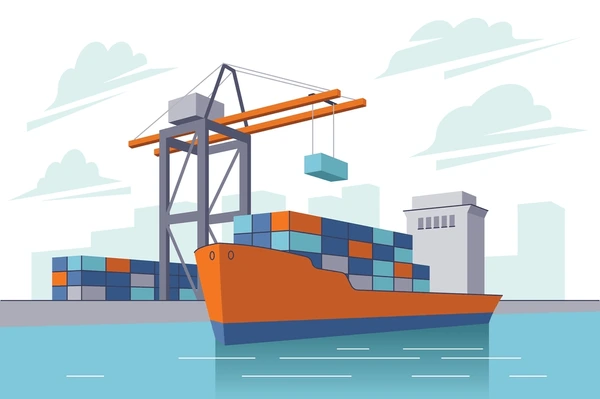
Although COR-TEN steel may have higher initial material costs, these are offset by reduced maintenance and replacement needs. Fewer repairs and longer service intervals lower total ownership costs. Performance consistency delivers measurable economic benefits over time. For fleet operators, these savings scale significantly. Material durability becomes a critical factor in long-term financial planning.
Sustainability Benefits
Longer-lasting containers reduce demand for new steel production. Reuse and repurposing extend material life cycles and lower resource consumption. This supports sustainability goals within logistics and construction industries.
COR-TEN steel is also fully recyclable. At the end of its usable life, the material can be reprocessed with minimal material loss.
Long-term value factors include:
- Decades-long operational lifespan
- Reduced replacement and repair frequency
- High suitability for reuse and conversion
- Positive contribution to material sustainability.
Standardization and Global Compatibility
Global shipping depends on strict standards for container dimensions and performance. COR-TEN steel allows manufacturers to meet ISO requirements consistently across production facilities. Material uniformity supports predictable behavior during transport and storage.
Consistent material properties simplify inspection and certification processes. Authorities can assess container conditions using standardized criteria, reducing delays and compliance risks. The widespread adoption of COR-TEN steel has shaped modern shipping infrastructure and remains a key reason for its continued use worldwide.