

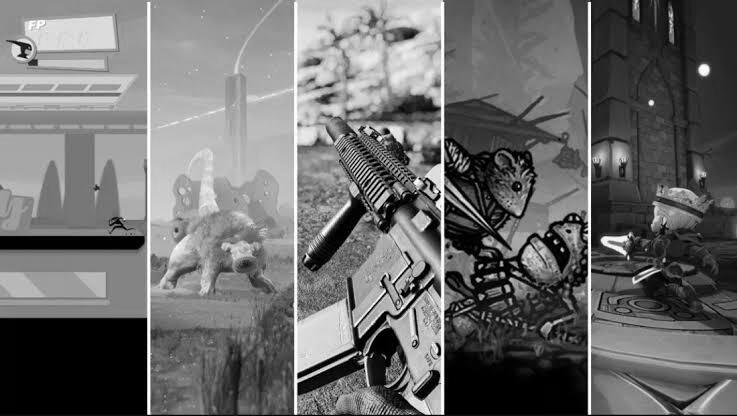
Modern game production depends on much more than strong mechanics. Visual quality, movement, interface clarity, and emotional storytelling all help shape how players connect with a game. Whether the project is a mobile title, console game, slot game, or interactive brand experience, animation often becomes the bridge between static artwork and a living digital world.
For studios that want polished motion, believable characters, and clear visual storytelling, professional https://paintpoolstudio.com/animation-services/3d-animation/ can support many stages of game development. It helps artists, designers, and developers turn concept art, characters, props, environments, and effects into animated assets that feel natural inside gameplay.
The Role of 3D Animation in Game Development
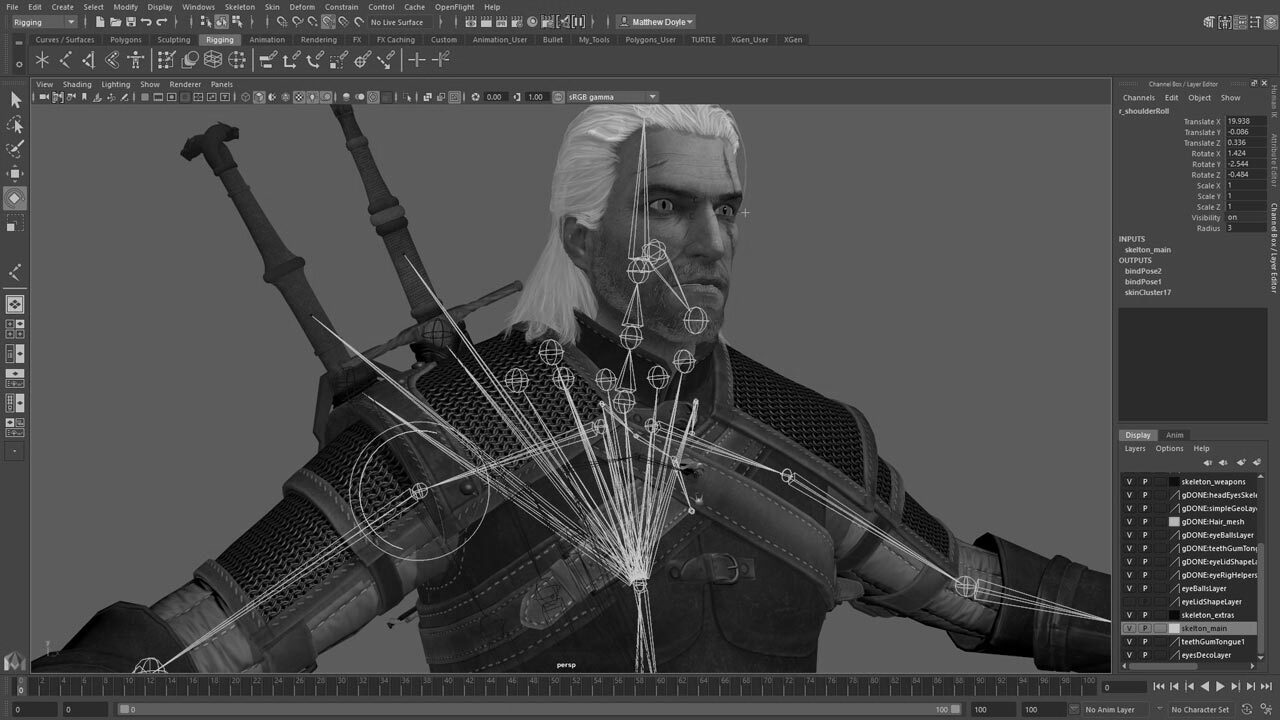
3D animation gives digital objects motion, weight, and personality. A character does not feel heroic only because of its armor or facial design. It feels heroic because of the way it walks, attacks, reacts, jumps, turns, and pauses. These small movements help players understand the character without reading long explanations.
In game production, animation also supports usability. A button press, reward reveal, menu transition, or slot symbol effect can guide the player’s attention. When motion is smooth and purposeful, the game feels more responsive and easier to understand.
Why Movement Changes Player Perception
Players often judge a game within seconds. If a character feels stiff or a visual effect looks unfinished, the overall quality may feel lower even when the core idea is strong. Good animation can make a simple action feel satisfying, while poor animation can make even a detailed model feel lifeless.
This is why animation is closely connected to concept art, character design, VFX, and UI UX. Each department contributes to the final feeling of the game, but animation brings those pieces together through timing and motion.
Key Areas Where 3D Animation Adds Value
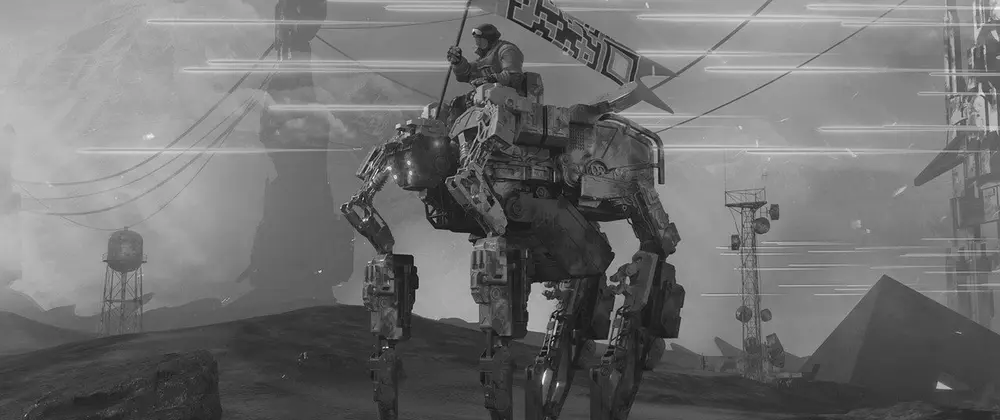
3D animation is used across many parts of game art production. It is not limited to cinematic scenes or major character actions. It can support gameplay feedback, marketing assets, trailers, promotional videos, and animated visual systems.
Common uses include:
- Character movement and combat animations
- Creature, monster, and NPC behavior
- Slot game symbols, reels, bonuses, and win effects
- Animated props, weapons, vehicles, and objects
- Game trailers and short promotional scenes
- UI motion, reward screens, and transition effects
- Environmental animation such as doors, machines, fire, water, or magic effects
Animation for Characters and Creatures
Character animation is one of the most important parts of game art. Players remember characters not only by how they look, but also by how they move. A knight, robot, animal, fantasy creature, or cartoon mascot each needs a different rhythm.
For example, a heavy armored warrior may need slower movement with strong impact. A small cartoon creature may need quicker timing and playful reactions. These choices help make the character feel consistent with the game’s world and audience.
3D Animation in Slot Game Art
Slot game art relies heavily on visual impact. Symbols, backgrounds, bonus rounds, win celebrations, and character mascots all need clear motion to keep the screen engaging.
Animation can make reels feel smoother, rewards more exciting, and bonus features easier to follow.
In slot games, timing is especially important. Too much movement can distract the player, while weak animation can make rewards feel flat. A balanced approach helps highlight key moments without overwhelming the screen.
Making Rewards Feel More Satisfying
Win animations are not only decorative. They help communicate success. A glowing symbol, animated coin burst, moving character, or short bonus sequence can make the player understand that something valuable has happened.
This is also where VFX and animation work together. Light, particles, sparks, smoke, and glow effects can improve the visual result when they are used with clear motion and proper timing.
How 3D Animation Supports UI UX for Games
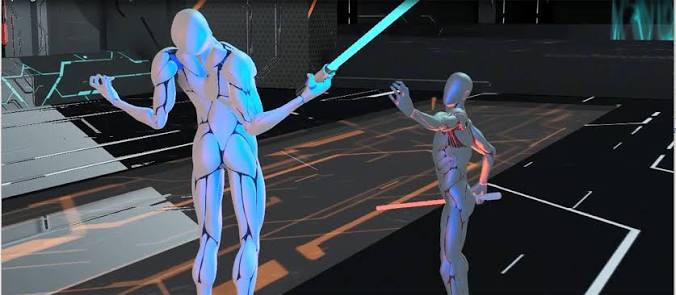
Game UI UX is not only about buttons and menus. Motion plays an important role in how players read information. Animated feedback can show when a button has been pressed, when a reward has been earned, or when a new feature is available.
Small UI animations can improve the feeling of control. For example, a loading icon, progress bar, menu slide, or reward pop-up can make the experience feel smoother. These details may look simple, but they affect how professional the game feels.
Keeping Motion Clear and Useful
Good UI animation should never confuse the player. It should support the action on screen. Fast menus, clean transitions, and readable effects help players move through the game without friction.
This is especially important for mobile games, where screen space is limited. Animation needs to guide attention without blocking key information.
Why Studios Outsource 3D Animation
Many game studios outsource animation because production schedules are often tight. A team may already have strong developers, game designers, and concept artists, but still need extra animation support to complete assets on time.
Outsourcing can help with workload, specialist skills, and flexible scaling. It also allows studios to bring in artists who understand specific styles, such as realistic 3D, cartoon animation, slot game motion, fantasy VFX, or cinematic game trailers.
What to Look for in an Animation Partner
A good animation partner should understand both art and gameplay. The final animation must look good, but it also needs to work inside the game engine and match technical requirements.
Important qualities include:
- Clear understanding of game pipelines
- Ability to follow existing art direction
- Strong timing and movement quality
- Experience with characters, props, UI, and VFX
- Reliable file preparation for developers
- Good communication during feedback rounds