



If you want to make sure that your garden is as easy as possible to look after, there are a lot of things you can do to help ensure that, and it might actually be simpler than you think. Many people dream of having a beautiful garden but worry about the amount of work involved in maintaining it. Images of endless weeding, constant mowing, pruning, watering, and seasonal upkeep can put people off investing time and money into their outdoor spaces. The good news is that a stunning garden does not have to become a second full-time job. With careful planning and smart choices, it is entirely possible to create an attractive outdoor area that requires minimal effort throughout the year.
A low-maintenance garden focuses on reducing repetitive tasks while still delivering visual appeal, functionality, and enjoyment.
Whether you have a small urban courtyard, a suburban lawn, or a large country garden, there are plenty of ways to simplify upkeep without sacrificing style.
Start With Smart Design
The easiest way to reduce maintenance is to think carefully about your garden layout from the beginning. A well-designed garden naturally requires less effort than one that has developed randomly over time.
Consider how you use your outdoor space and create dedicated zones for different activities. Patios, decking, gravel areas, and pathways reduce the amount of planting that needs attention while providing practical areas for relaxing and entertaining.
Simple shapes are often easier to maintain than intricate borders and complicated planting schemes. Straight edges and clearly defined spaces make mowing, trimming, and cleaning quicker and more efficient.
Choose The Right Plants
One of the biggest mistakes gardeners make is selecting plants that demand constant care. High-maintenance varieties often require regular feeding, pruning, watering, and protection from pests.
Instead, focus on hardy, drought-tolerant plants that thrive in your local climate. Native species are often an excellent choice because they have naturally adapted to local weather conditions and soil types.
Perennials are another smart option. Unlike annuals, which need replacing every year, perennials return season after season with minimal intervention. Once established, they often require little more than occasional trimming and watering during particularly dry periods. Shrubs can also provide long-term structure and colour without the need for frequent attention. Evergreen varieties are especially useful because they maintain interest throughout the year.
Reduce The Lawn Area
Lawns are often one of the most labour-intensive parts of any garden. Regular mowing, edging, feeding, and watering can consume a significant amount of time.
If your goal is low maintenance, consider reducing the overall size of your lawn. Replacing sections with gravel, decorative stone, bark mulch, raised beds, or paved areas can dramatically cut down on maintenance requirements.
Ground-cover plants can also be a useful alternative. They suppress weeds, spread naturally, and provide visual interest without the constant attention that grass often demands. For families who still want a lawn for children, pets, or recreation, keeping the grass area smaller and more manageable can strike the perfect balance.
Consider A Robotic Lawn Mower
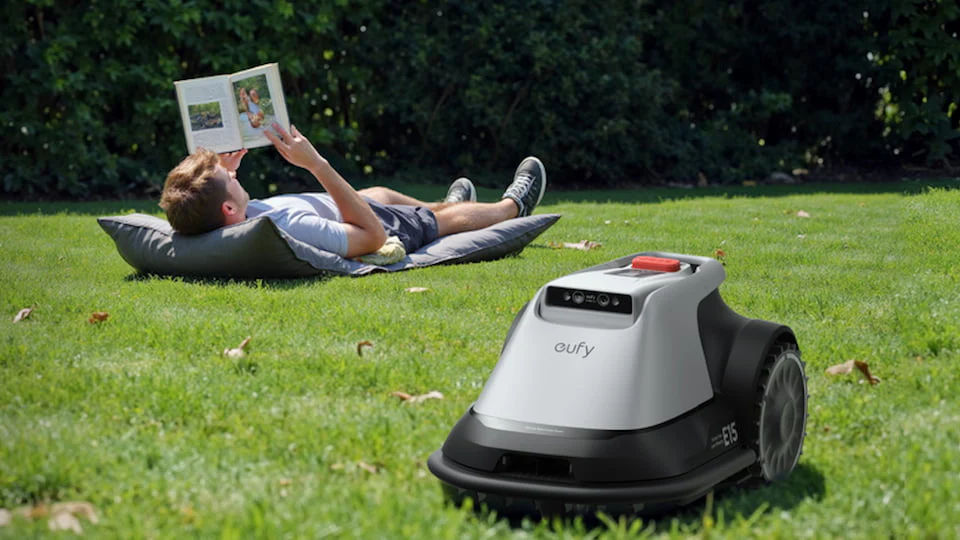
Technology has made garden maintenance easier than ever before. One increasingly popular option is a robotic lawn mower. These automated machines quietly trim grass on a regular schedule, helping maintain a neat lawn with very little input from the homeowner.
Rather than waiting for grass to become overgrown, a robotic lawn mower makes frequent small cuts that keep the lawn looking tidy throughout the growing season. Many models can operate automatically and return to their charging stations when needed. For those who want the appearance of a well-maintained lawn without spending every weekend pushing a mower around the garden, this technology can significantly reduce workload while delivering consistent results.
Mulch Wherever Possible
Weeds are one of the most common frustrations faced by gardeners. Fortunately, mulch offers a simple and effective solution. Applying a layer of bark chips, compost, gravel, or decorative mulch around plants helps suppress weed growth while retaining moisture in the soil. This means less time spent pulling weeds and less frequent watering during dry weather.
Mulch also improves the appearance of planting beds by creating a clean and finished look. Over time, organic mulches break down and contribute valuable nutrients to the soil, further supporting healthy plant growth. Refreshing mulch once or twice a year is often far easier than constantly battling weeds throughout the growing season.
Install Efficient Watering Systems
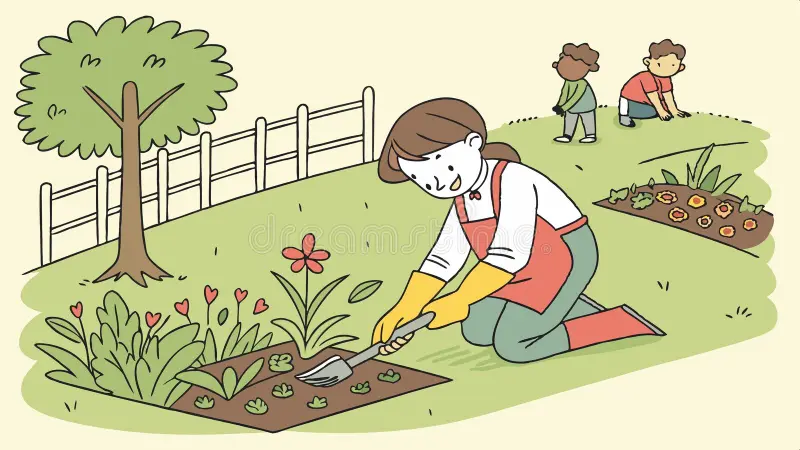
Watering can quickly become a major commitment, especially during warm summer months. Installing efficient irrigation systems can greatly reduce the effort involved.
Drip irrigation systems deliver water directly to plant roots, reducing waste and ensuring plants receive consistent moisture. Timers can automate the process completely, allowing gardens to thrive even when homeowners are busy or away on holiday. Collecting rainwater in water butts can further reduce both maintenance and water bills. Stored rainwater provides a sustainable source of irrigation during dry spells and helps make gardening more environmentally friendly.
Select Low-Maintenance Materials
The materials used throughout your garden can have a significant impact on ongoing upkeep. High-quality paving, composite decking, gravel pathways, and durable outdoor furniture often require far less maintenance than cheaper alternatives. While the initial investment may be higher, the long-term savings in time and repairs can be substantial.
Composite decking, for example, does not require regular staining or painting and is resistant to rot and weather damage. Similarly, modern paving materials are often designed to resist staining and moss growth, making cleaning easier. When selecting garden features, think beyond appearance and consider how much effort they will require over the coming years.
Keep Planting Simple
Many low-maintenance gardens succeed because they embrace simplicity. Rather than filling every available space with a wide variety of plants, focus on a smaller number of reliable species. Mass planting can create a striking visual effect while reducing the complexity of maintenance. Repeating the same plants throughout the garden creates a cohesive design and makes care routines more straightforward. Large planting groups are often easier to manage than dozens of individual varieties with different requirements. They also tend to suppress weeds more effectively once established.